Chat to us now
0800 093 5892


By Paul Martin
Founder of Mixxa. Hospitality strategist. Leadership innovator.
What’s the biggest thing holding back genuinely exceptional hospitality service?
If you think it’s a lack of training quality, the wrong calibre of people, or even budget constraints, you’re not entirely wrong, but you’re not right either. In truth, these are surface-level limitations. They’re convenient explanations that allow us to point the finger somewhere other than at ourselves.
In truth, the biggest barrier is courage.
Courage to let go of what we’ve always done.
Courage to stop romanticising the past.
Courage to build something bold, new, and revolutionary.
Our industry is full of good intentions. You’ll hear inspiring soundbites at conferences and see impressive commitments written on websites. But when it comes to the way we train and develop service teams and how we prepare people to deliver what we like to call ‘world-class service’, we’re stuck! Stuck in old habits, stuck in outdated mindsets, stuck in a version of excellence that’s decades old.
There are two reasons we find ourselves here, and they’re both hiding in plain sight.
The first is that we keep doing what we’ve always done. Our definition of ‘excellent service’ is still deeply rooted in a model built half a century ago. It’s a model based on the idea of the guest as master and the team member as servant. A philosophy in which the role of the server is to politely, promptly, and enthusiastically do what the guest asks, no more, no less. The server doesn’t lead the experience, they respond to it.
For clarity, there’s nothing wrong with this. In fact, for many years, it was seen as the gold standard. But that’s the problem. It hasn’t evolved fast enough to keep pace with how guests have changed.
Because guests have really changed.
They travel more. They know more. Their expectations are shaped by global standards and cross-industry comparisons. And crucially, they want more than someone who simply grants wishes. They want someone who can lead them somewhere new.
But when we rely on passive & reactive service, asking ‘Are you ready to order?’ or ‘Would you like something to drink?’, we restrict the level of experience we can create. It can still be charming and efficient. It can still feel polished. But it’s fundamentally limited. Because if the guest is always in the driving seat, they’ll always steer towards what they already know. And what they know is comfortable, not extraordinary.
The second flaw is just as fraught with pitfalls. It’s the way we measure our standards. We compare ourselves to our competitors and feel reassured that we’re among the best. But if the entire sector is stuck in the same outdated framework, being ‘the best’ only means we’re shouting in an echo chamber. We’re fighting to say the same thing loudest and mistaking noise for innovation. It’s a false reflection of reality. What we’re really doing is recycling each other’s limitations and calling it excellence.
This is a form of what psychologists call pluralistic ignorance, where everyone assumes the status quo is correct because everyone else seems to agree with it. It’s a loop of mutual reassurance that stops progress in its tracks.
And so here we are. An industry that often believes it’s delivering exceptional service, while falling short of what today’s guests truly desire.
Let’s be clear. I’m not talking about abandoning professionalism, warmth, or care. These are non-negotiables. But they’re not enough. Today’s guests, especially at the high end, want more than politeness. They want engagement. They want knowledge, confidence, charisma. They want to be introduced to things they didn’t know existed and guided toward experiences they couldn’t have imagined for themselves. They want to feel that they’ve had an encounter with someone, not just a service.
And that requires a different kind of service mindset. One that is proactive & opportunistic. A mindset where service professionals don’t wait for permission but instead step forward with ideas, suggestions, creativity and leadership. Not in a pushy or presumptive way, but with the finesse and intuition of someone who understands the power of taking initiative.
And this is where courage matters most. Because it’s easy to talk about change. It’s easy to say we want to elevate service. But to actually walk away from what we’ve always done, to build a new kind of training, develop new behaviours, nurture a different kind of confidence, takes genuine courage.
It means challenging traditions. It means investing in people differently. It means being willing to risk short-term discomfort in the pursuit of long-term transformation.
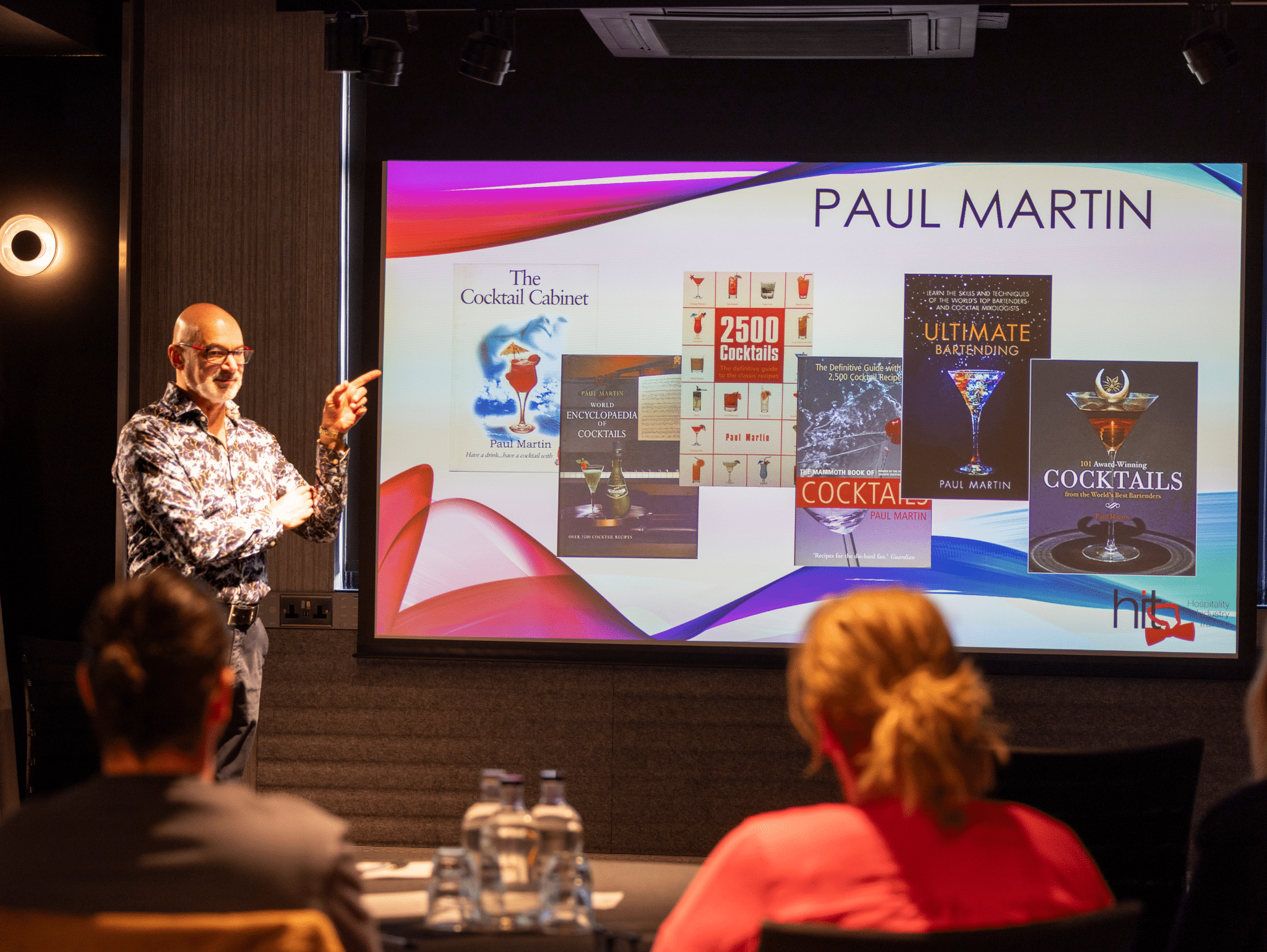
Which is exactly why I’ve chosen to collaborate with HIT Training and support the creation of the new HIT Hospitality Academy.
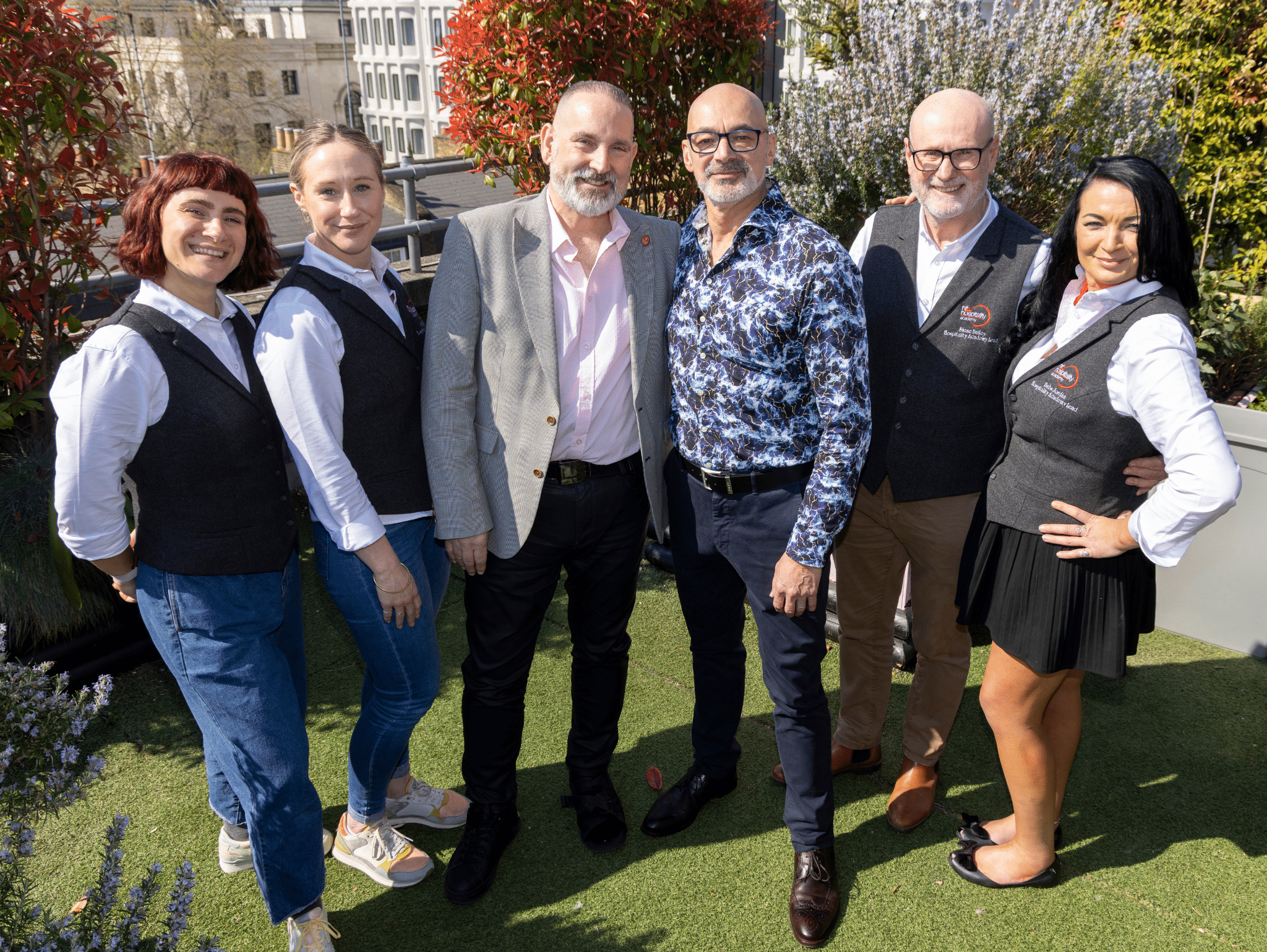
For years, as many of my clients will have experienced, I’ve been championing this kind of change through my own courageous philosophies and methodologies. And until now, I hadn’t encountered an organisation with the will and the courage to actually make it happen on a grander scale. But HIT Training isn’t just talking about change, they’re committing to it. With their national reach and deep industry roots, we’ve developed a training model that’s no longer tethered to the past. Through this collaboration the HIT Hospitality Academy is creating something genuinely different.
And it’s certainly not about re-polishing old ideas. It’s about rethinking the very philosophy that sits behind world-class service.
And that’s what makes this different. This isn’t just about training better manners or sharper upselling techniques. It’s about developing professionals who are confident, informed, inspired, charismatic, engaging and confident enough to lead guest experiences into uncharted, unforgettable territory.
In short, it’s about rewriting the rules.
And that takes courage.
It’s the kind of courage that moves industries forward. The kind that challenges old benchmarks. The kind that asks not ‘How do we keep up?’ but ‘How far can we go?’
That’s why I’m involved. And that’s why I believe this matters. Not just for the teams who go through the Academy, but for the future of hospitality in the UK and beyond.
We don’t need more talk. We need action.
We need to lead.
Are you ready?
Sign up to news, events and great resources